
Aruba Travel Guide: Beaches, Views, Hidden Gems & Why Exploring Off-Road Changed Everything
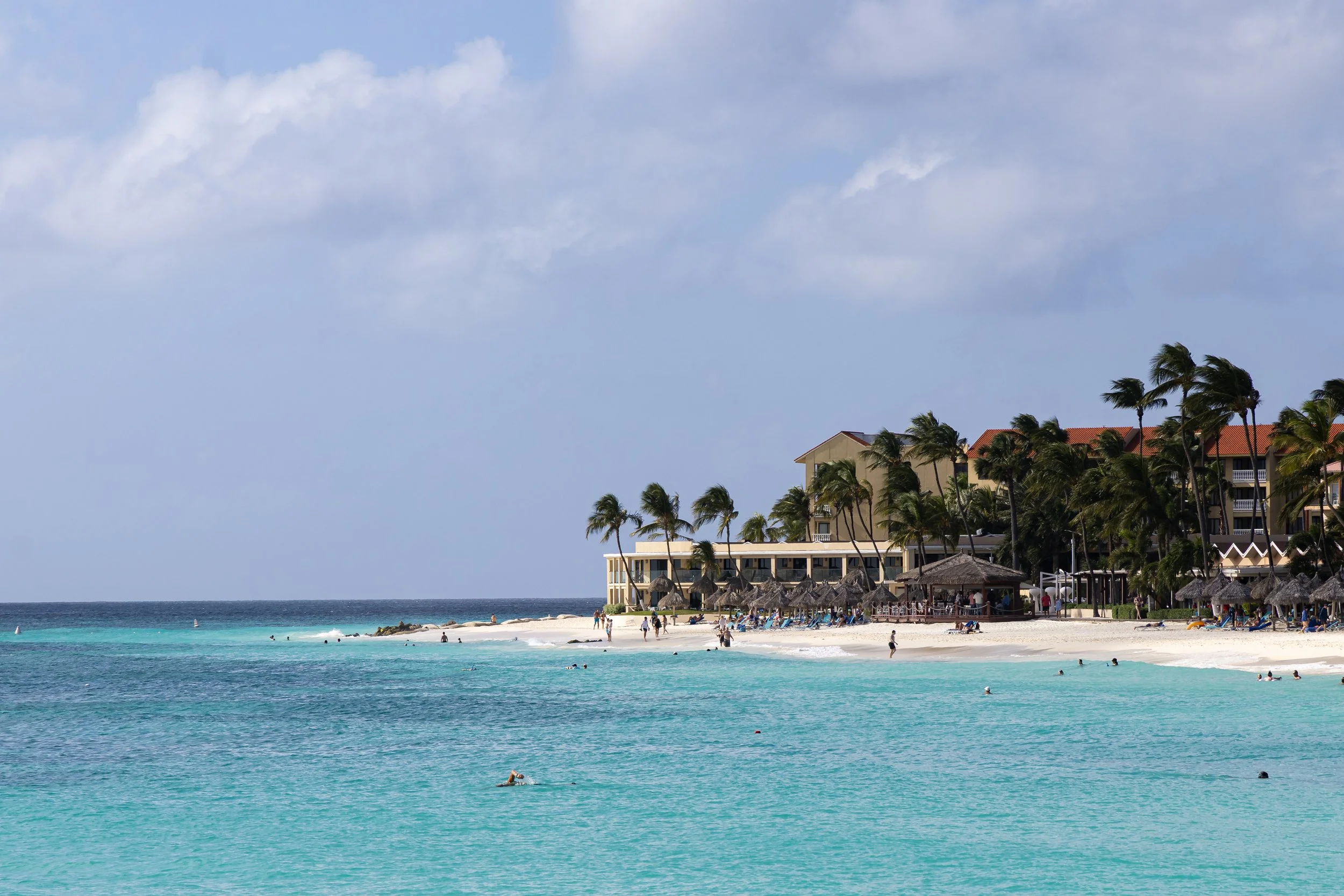
Over Christmas, I traveled to Aruba with my family on a last minute pivot. They were originally planning to be in Jamaica but changed plans in light of a recent hurricane. And when I say last minute, I mean it. I booked my flight roughly 30 hours before takeoff.
Like many people, the picture of Aruba I had in my head was a destination defined by beaches, resorts, and pure relaxation. I assumed the island was essentially all beach. But once I started researching, it quickly became clear that Aruba had far more to offer than what is typically shown online or experienced within the hotel zone. That initial curiosity turned into a deeper interest in understanding the island as a whole. Its landscapes, how accessible it really is, and the experiences that exist well beyond the shoreline.
Aruba is a relatively small island, which makes getting around simple whether you are using taxis, buses, or a rental car. We were staying in the hotel zone, home to some of the island’s most recognizable beaches, but it did not take much digging to realize that some of Aruba’s most memorable places are located outside of that area. From rugged coastlines and desert like terrain to natural landmarks and quiet coves, the island offers an incredible amount of variety within a short driving distance.
This blog is designed as a broader guide to experiencing Aruba. What to expect, where to stay, how to save money, and why it is worth exploring beyond the resorts. One of the most impactful ways we did that was by spending a day exploring the island via UTV. For those unfamiliar, a UTV, or Utility Task Vehicle, is an off road vehicle built to handle rough terrain while comfortably seating multiple passengers. It is an ideal way to access parts of the island that standard vehicles simply cannot reach, and it completely changed how we experienced Aruba.
Table of Contents
Aruba More Than Just “One Happy Island”
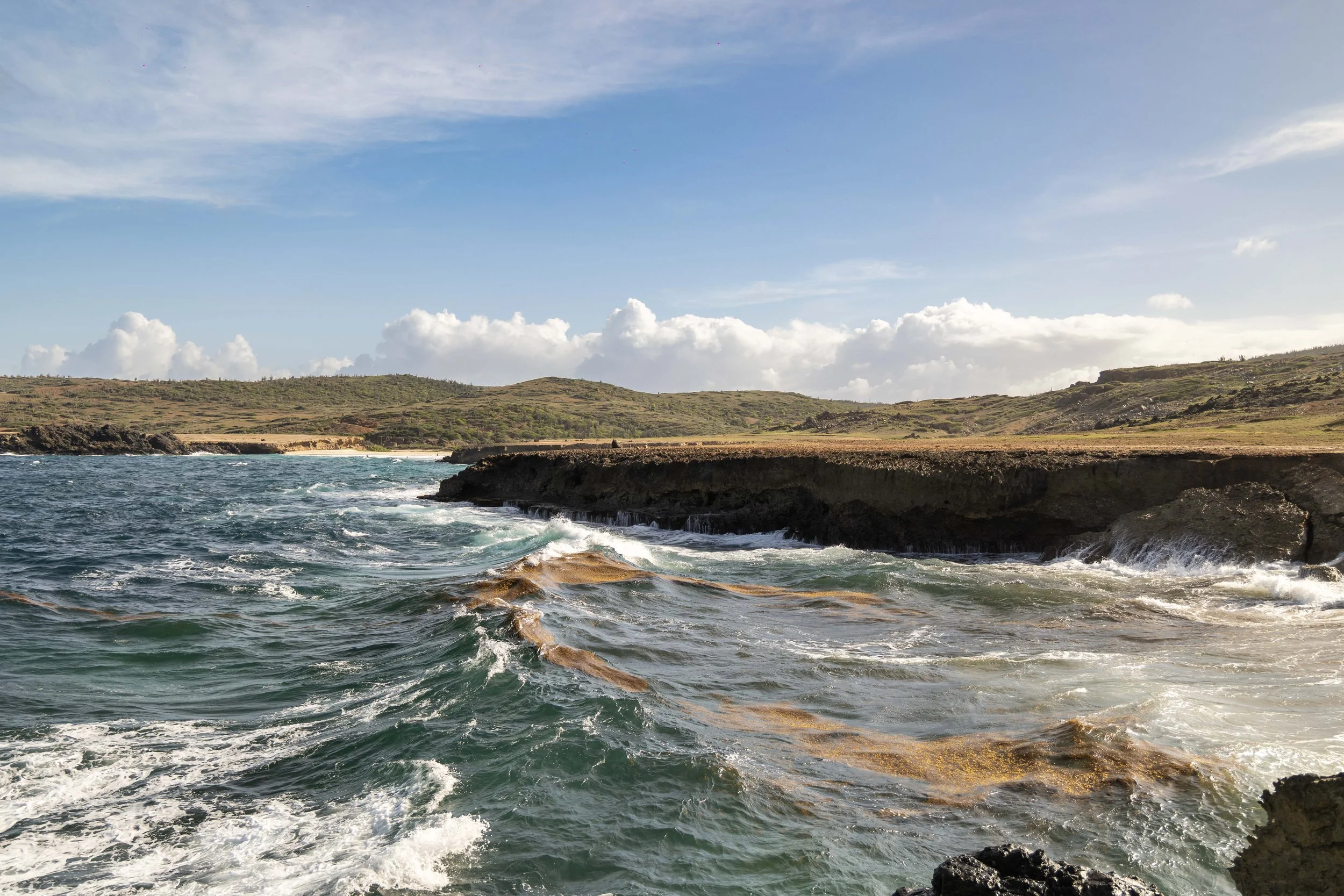
Aruba, often called “One Happy Island,” is part of the Dutch Caribbean ABC islands Aruba, Bonaire, and Curaçao and sits just north of Venezuela in the southern Caribbean Sea. What makes Aruba special is not just the color of the water, which really is that blue, but how much diversity exists on such a small island.
A few things that stood out immediately
Consistent weather year round with very little rain, and it sits outside the hurricane belt
Diverse landscapes, from calm southern beaches to rugged northern coastlines and desert like interior terrain
Cultural depth, with English, Spanish, Dutch, and Papiamento spoken widely and a food scene influenced by Caribbean, South American, and Dutch traditions
Activities beyond the beach, including off road adventures, snorkeling, sailing, cultural districts, and wildlife encounters
Similar to most of my favorite destinations, I found that Aruba rewards curiosity. The more you explore, the more it gives back.
Aruba’s Beaches - A Coastline for Every Kind of Traveler
Aruba’s beaches are genuinely incredible, and one of the things that makes the island so special is how different each stretch of coastline feels depending on where you are. Because the island is small and shaped by consistent trade winds, the location of a beach directly affects the water conditions, crowd levels, and overall vibe. Calm, postcard perfect beaches tend to sit along the western and southern coasts, while the eastern side of the island is more rugged and exposed to open ocean conditions.
While I did not make it to every beach on the island, I was able to visit a wide variety during our stay. Each one offered something distinct, whether it was calm swimming water, great snorkeling, convenience, or a more local feel.
Eagle Beach
Located just south of the main hotel zone on the western side of the island, Eagle Beach is often ranked among the best beaches in the world. The sand is wide, white, and soft, and the water is calm and clear, making it ideal for swimming and relaxing. Despite its popularity, the beach feels open and never overly crowded. It is also home to Aruba’s iconic divi divi trees and offers easy access to nearby restaurants and resorts.
Arashi Beach
Arashi Beach sits near the northern tip of the island and feels more laid back than the central hotel zone beaches. The water here is typically calm, and the beach is popular for snorkeling, especially along the rocky edges. There is a casual beach shack nearby for drinks and food, and it is a great stop if you are exploring the north coast or heading toward the California Lighthouse.
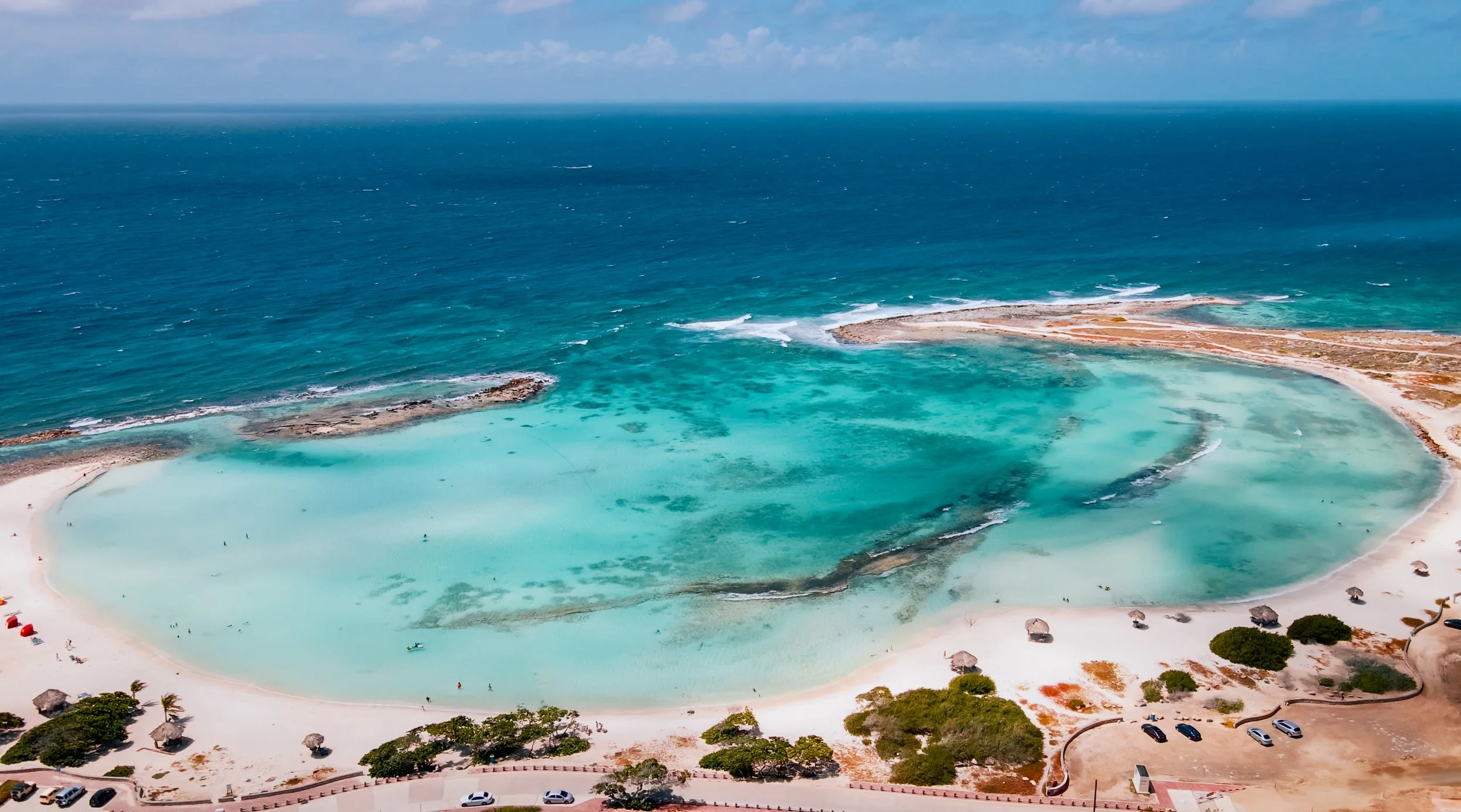
Baby Beach
Located on the southern tip of the island near San Nicolas, Baby Beach is a shallow, crescent shaped lagoon with exceptionally calm and warm water. This was a favorite for our family, especially for kids, because the water stays shallow far from shore. It can get busy, but for good reason. There are food options nearby, and it is an easy place to spend several hours floating, swimming, and relaxing.
Druif Beach
Druif Beach is located near the Divi resorts and offers a quieter alternative to some of the more well known beaches. The water is calm, the sand is soft, and the atmosphere is relaxed. It is a great option if you want an easy beach day without a heavy crowd and with close access to resort amenities and beach bars.
Renaissance Island
Renaissance Beach is located on a private island accessible only through the Renaissance Resort in Oranjestad. The beach is calm, beautifully maintained, and famous for its flamingos. While it is more controlled and curated than other beaches, it offers a unique experience and extremely calm water. It is also conveniently located near downtown shopping and dining.
Surfside Beach
Surfside Beach sits near the airport and downtown Oranjestad and has a local, low key feel. The water is generally calm, and the beach is lined with casual restaurants and bars that sit right on the sand. It is a great place for an easy beach meal, sunset views, and a more local experience compared to the resort heavy areas.
Bachelor's Beach
Bachelor’s Beach is located near Oranjestad and is a smaller, quieter beach often visited by locals. It sits slightly below a rocky overlook and offers clear water that is good for swimming and snorkeling when conditions are right. It feels less polished and more natural, making it a great stop if you want a relaxed, uncrowded beach experience close to town.
Our Christmas Trip Three Generations One Island
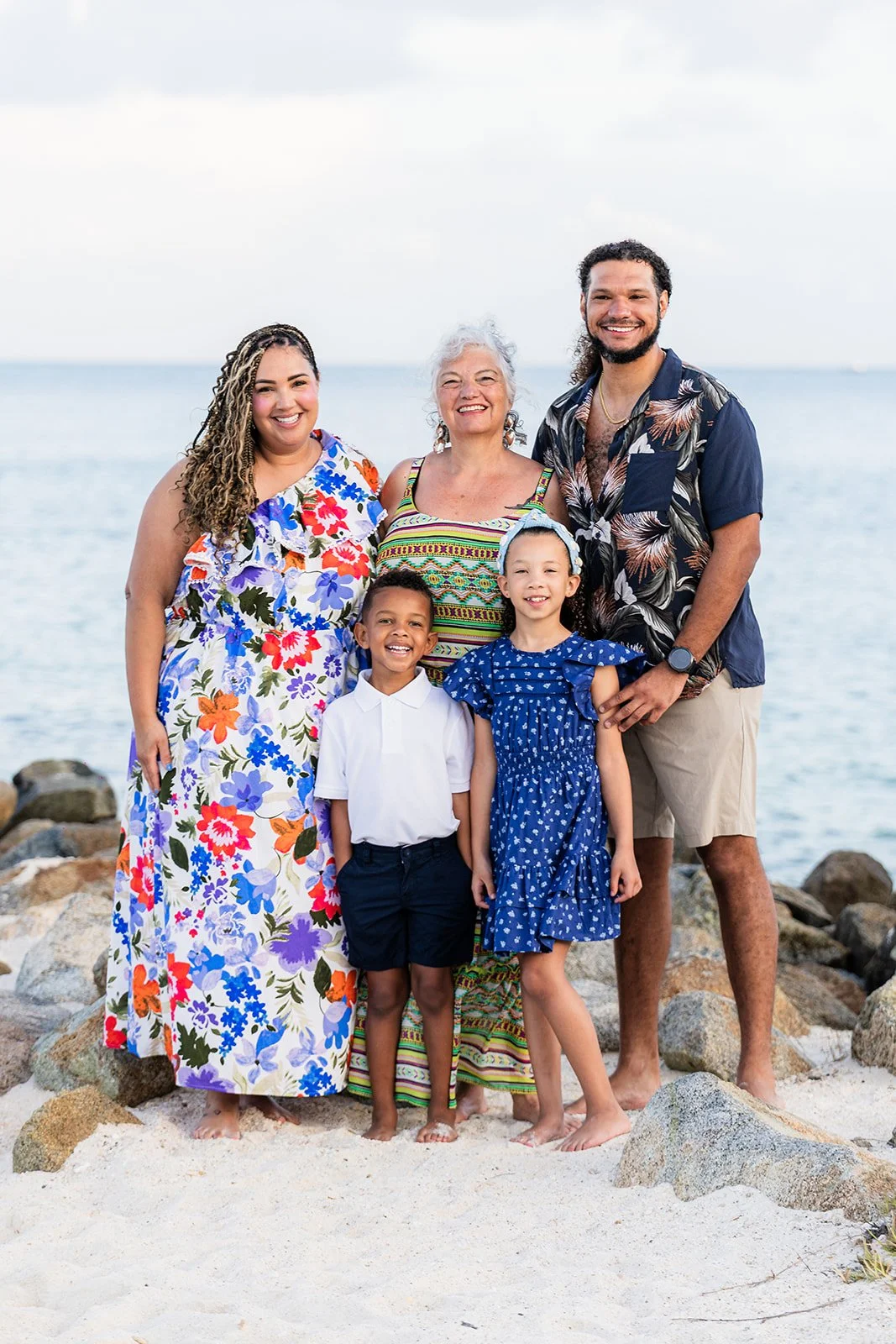
We visited December 13 to 20 with my mom, sister, brother in law, and my niece and nephew, three generations with very different energy levels. By day two, the island had already won us over, which honestly surprised me. Even the least adventurous among us found moments they loved, which says a lot about how approachable Aruba is as a destination.
Where We Stayed
Divi Golf Resort Aruba
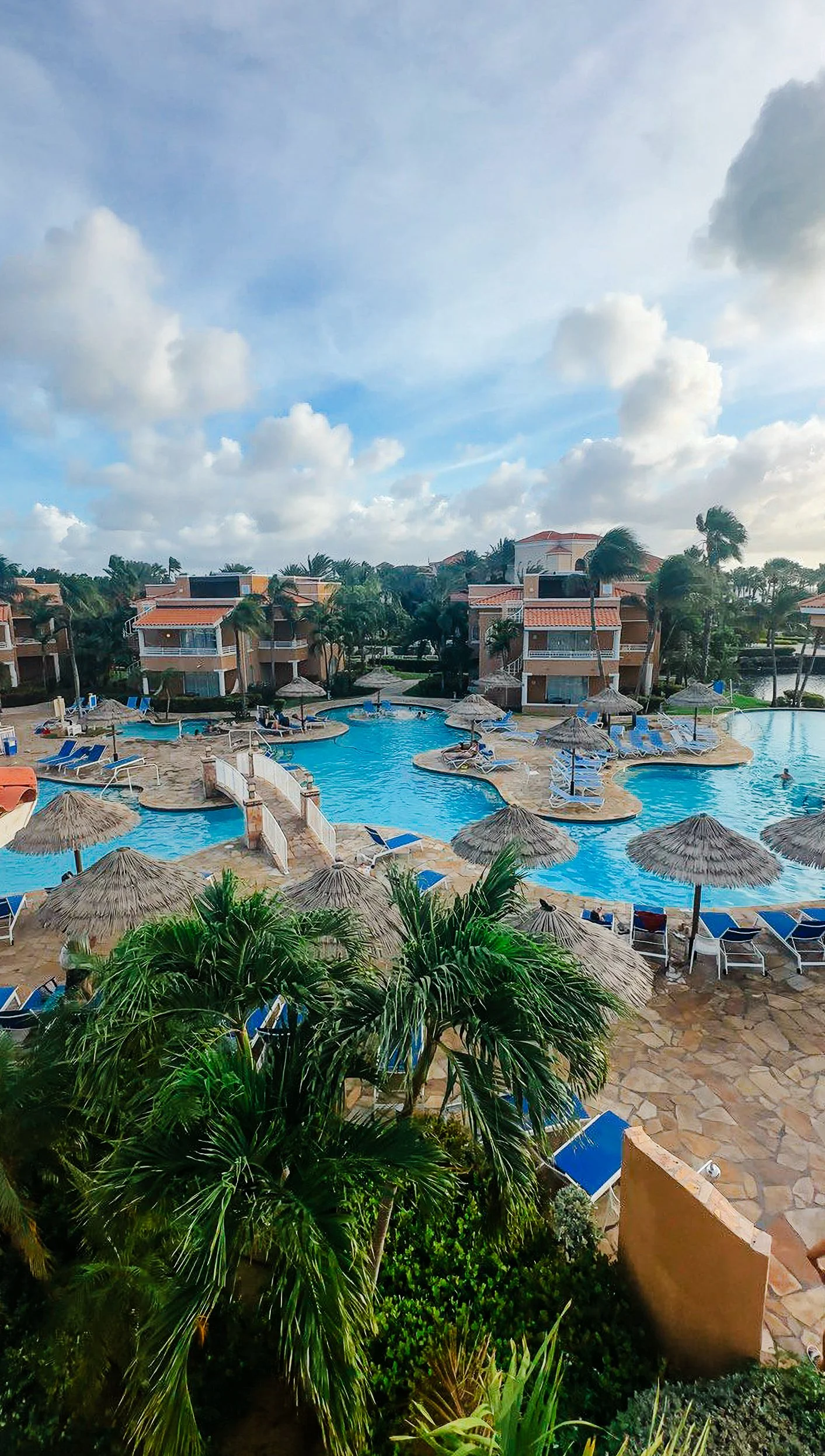
This was my personal favorite. Highlights included
Daily happy hours spread across the property, which added up to serious savings
A gym with an ocean view that made even early workouts feel worth it
Shuttle access to sister properties, allowing easy beach hopping without a car
One of my favorite beaches on the island, calm, uncrowded, and ideal for sunsets
Beach bar fries served Dutch style in a cone, which somehow became a core memory
Embassy Suites Resort Aruba
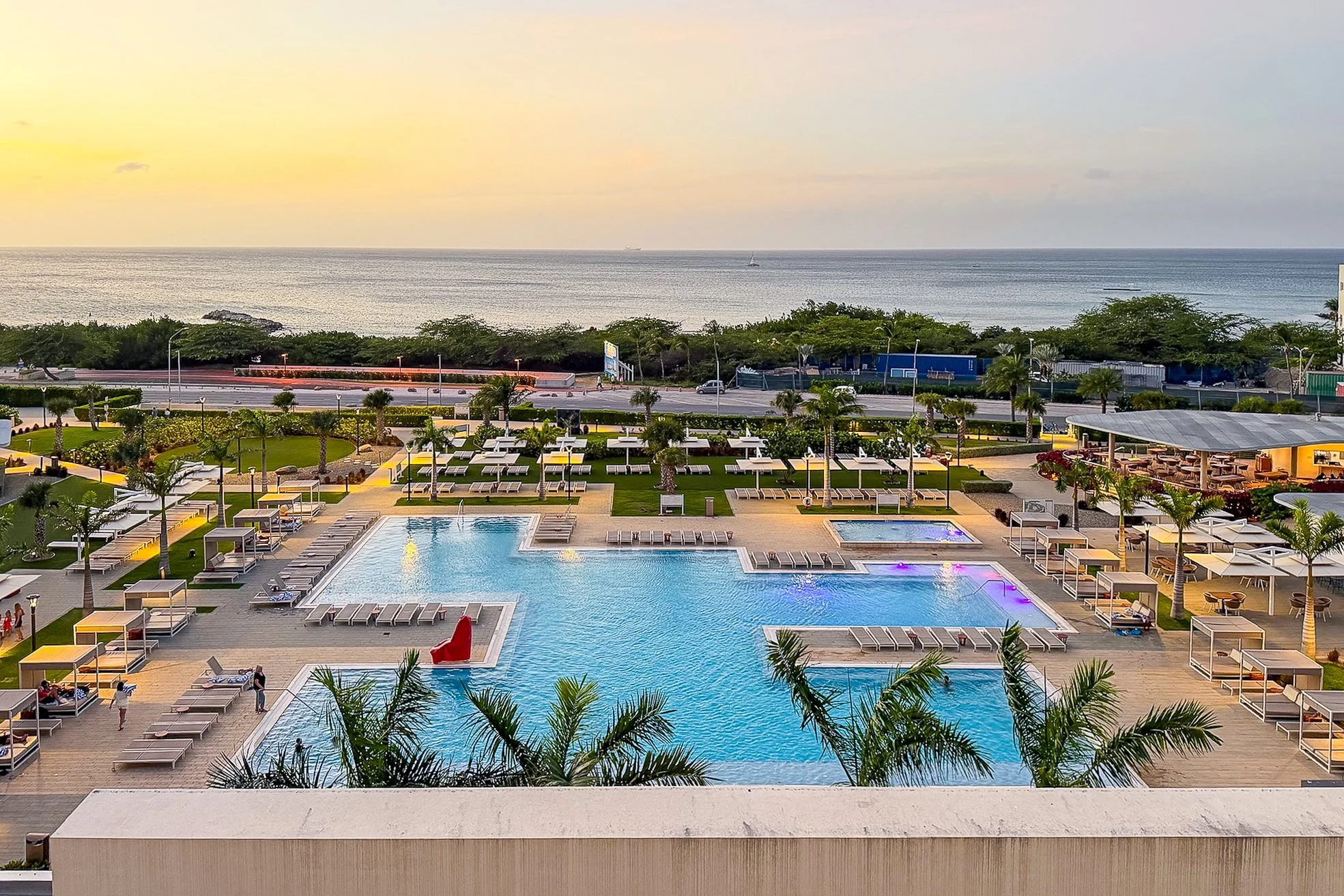
Embassy Suites Resort was within walking distance of hotel zone restaurants and attractions, featured a show stopping pool, and created more opportunities to meet other travelers. This was especially great for my niece and nephew. By the second day, they had already made friends and spent the rest of the trip with familiar faces, which added an entirely different layer to the experience.
Large pool, generous included breakfast, and free evening happy hour
Fitness classes, including yoga
Beach access with included huts, nice, though not the standout beach of the trip
Both were great bases for exploring, but Divi edged ahead slightly for atmosphere and location
Eating (and drinking) Well Without Overspending - Happy Hour Matters
Aruba pricing can feel like major city pricing if you are not paying attention. The workaround is happy hour and eating like a local.
Dining outside of the hotel zone often leads to more authentic food and noticeably better prices. The tradeoff is that these spots can require a bit more planning, whether that means arranging transportation or allowing extra time to get there. That said, afternoon drink and food specials are everywhere on the island, and they are absolutely worth building into your day.
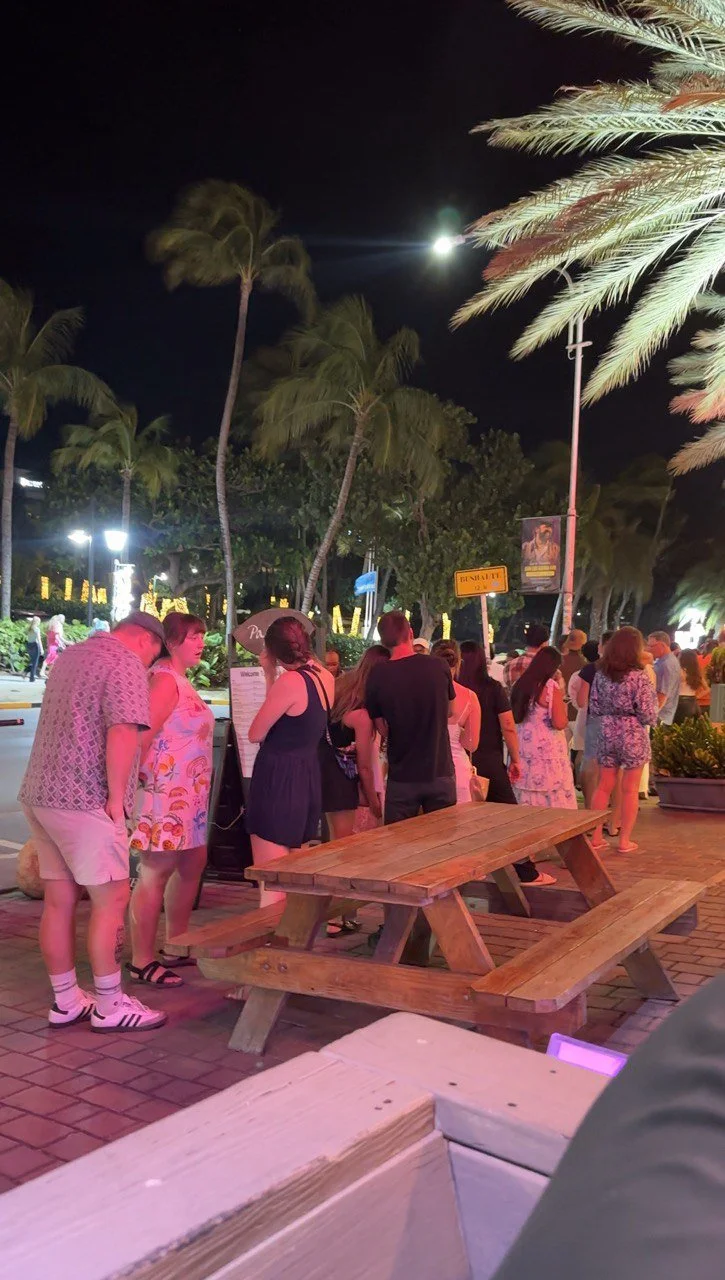
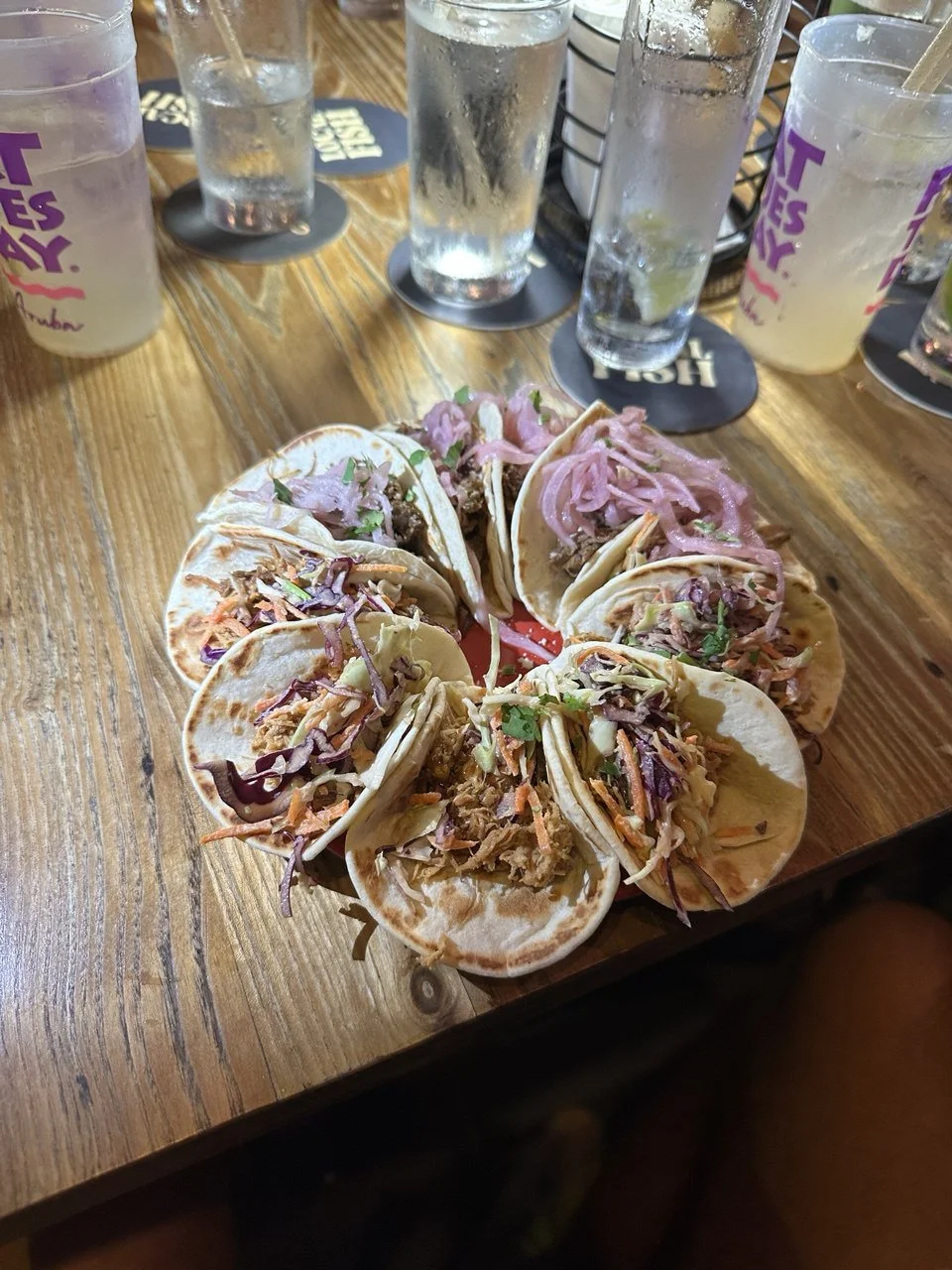
One standout moment was Taco Tuesday at Lola Taqueria, where the line was easily 100 people deep. We skipped the wait, grabbed drinks next door at Fat Tuesday, and still scored tacos for a dollar each. If you take nothing else away from this blog, make sure you take this tip.
Happy hour in Aruba is not optional. It is part of the culture.
Exploring Aruba by UTV
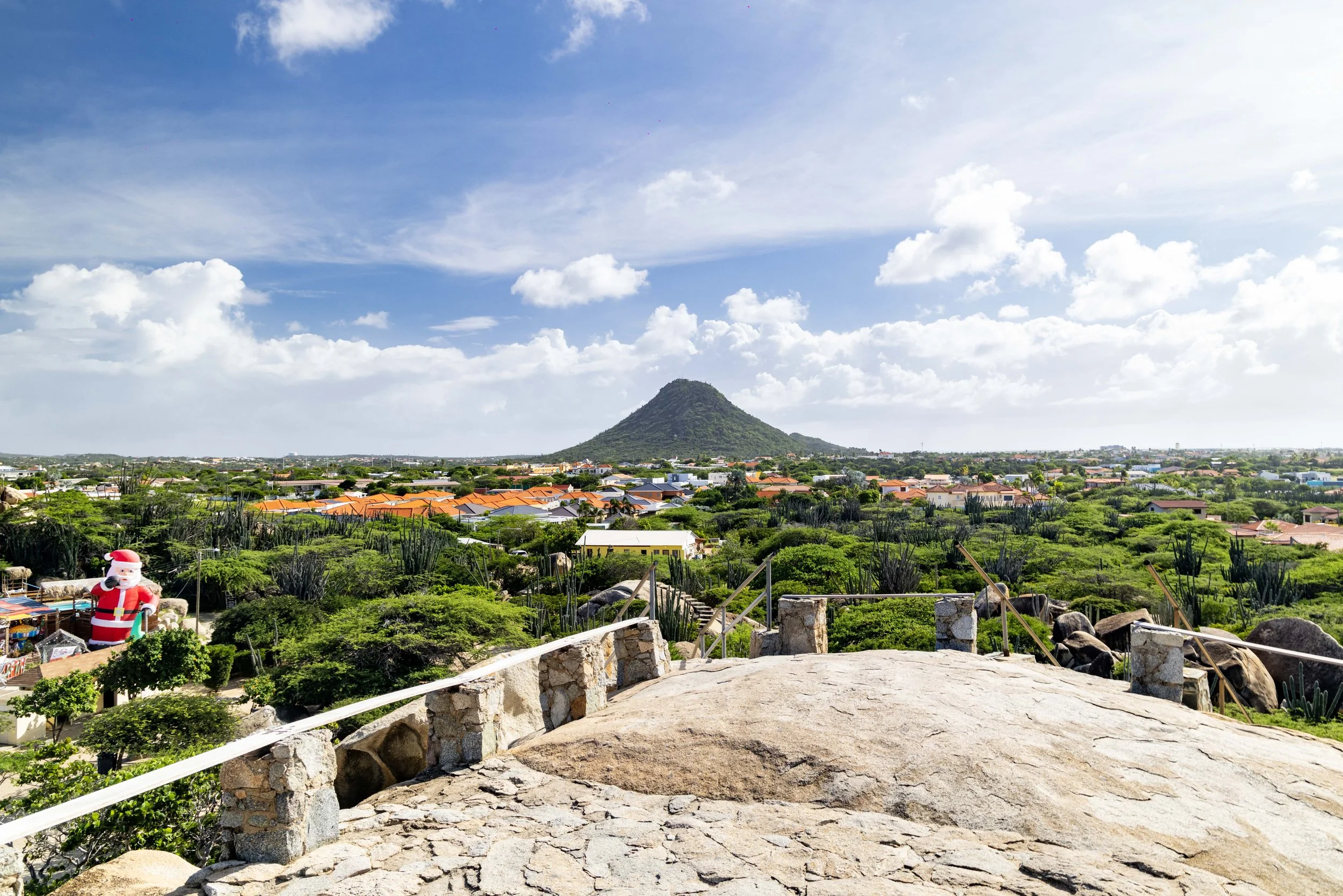

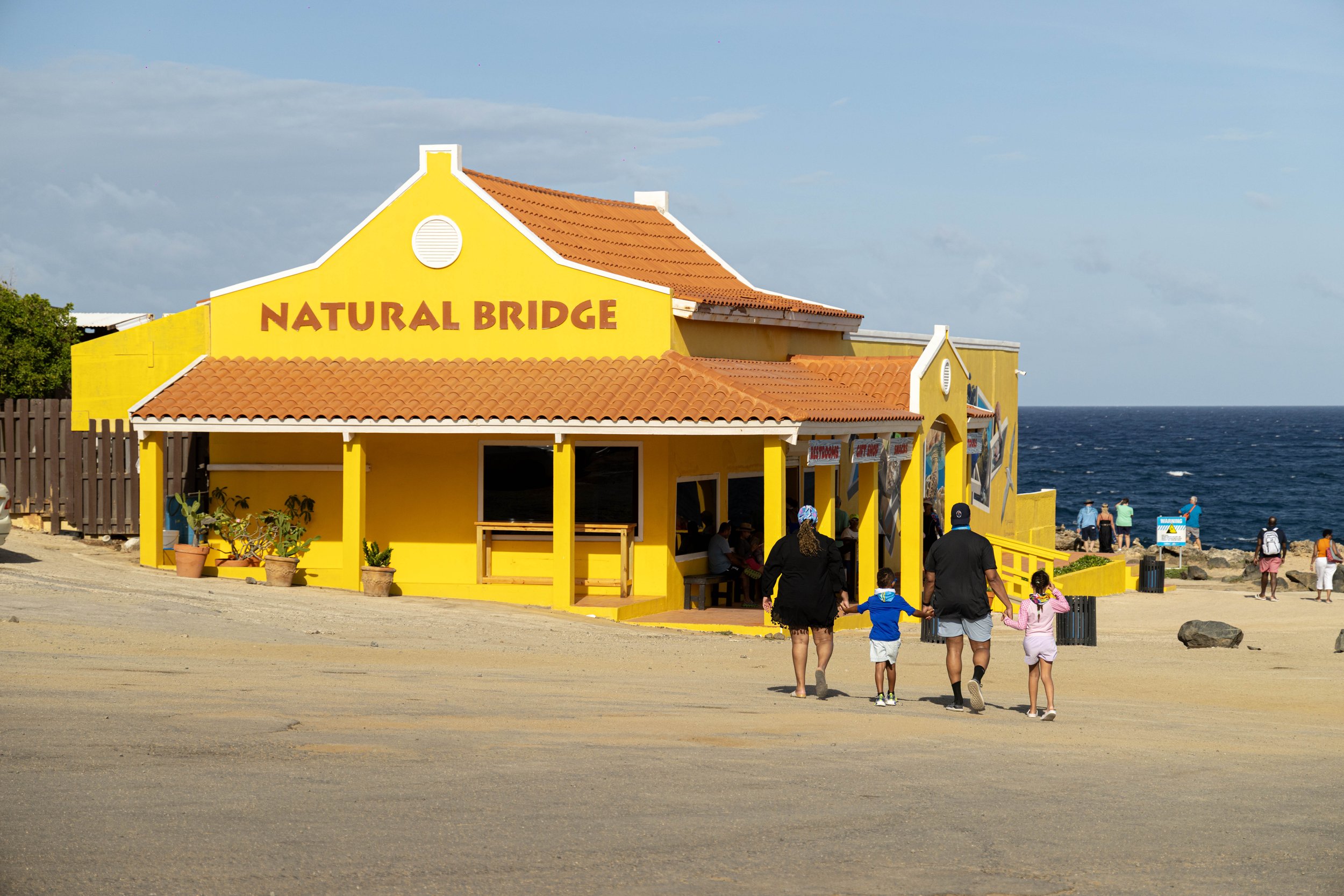
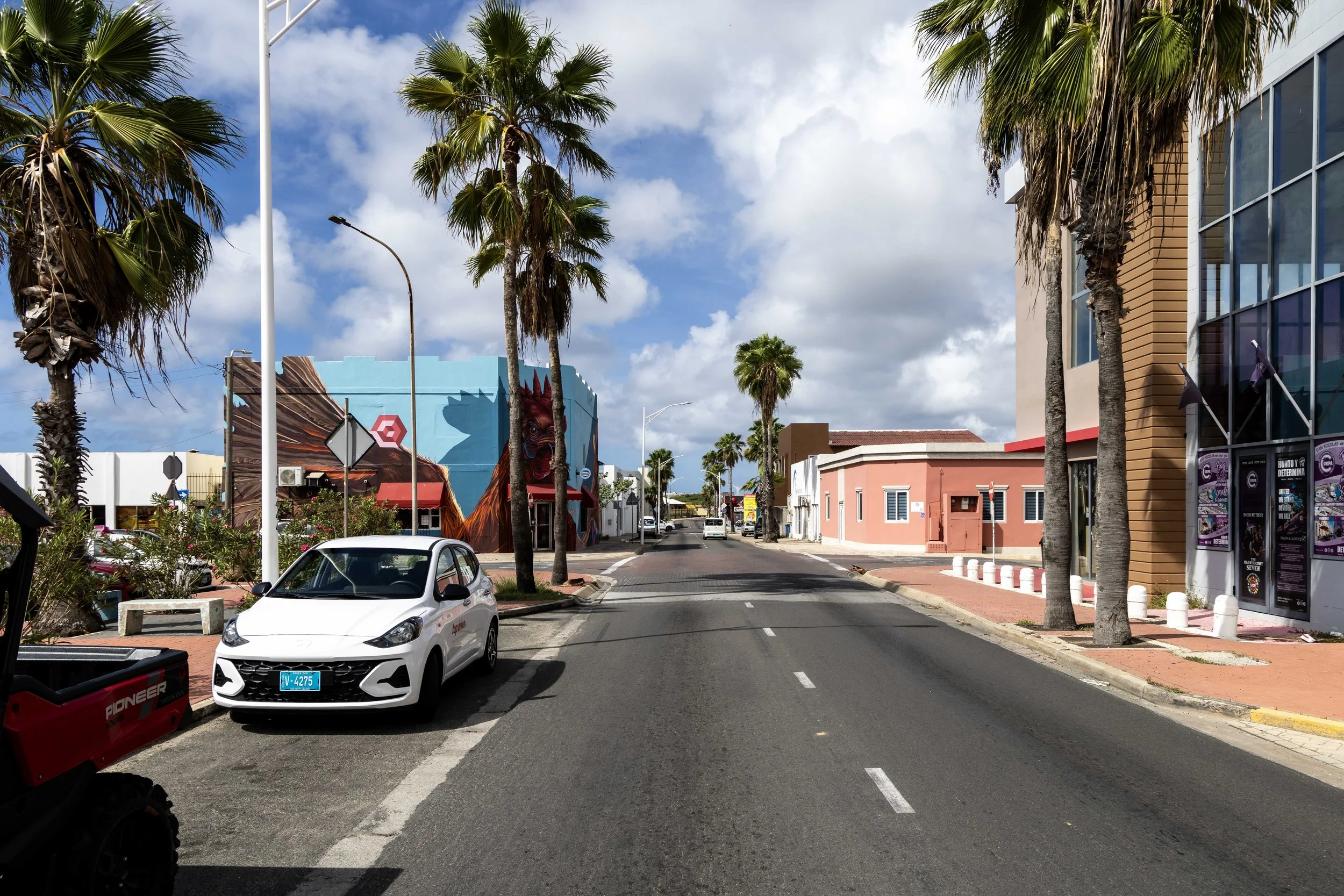
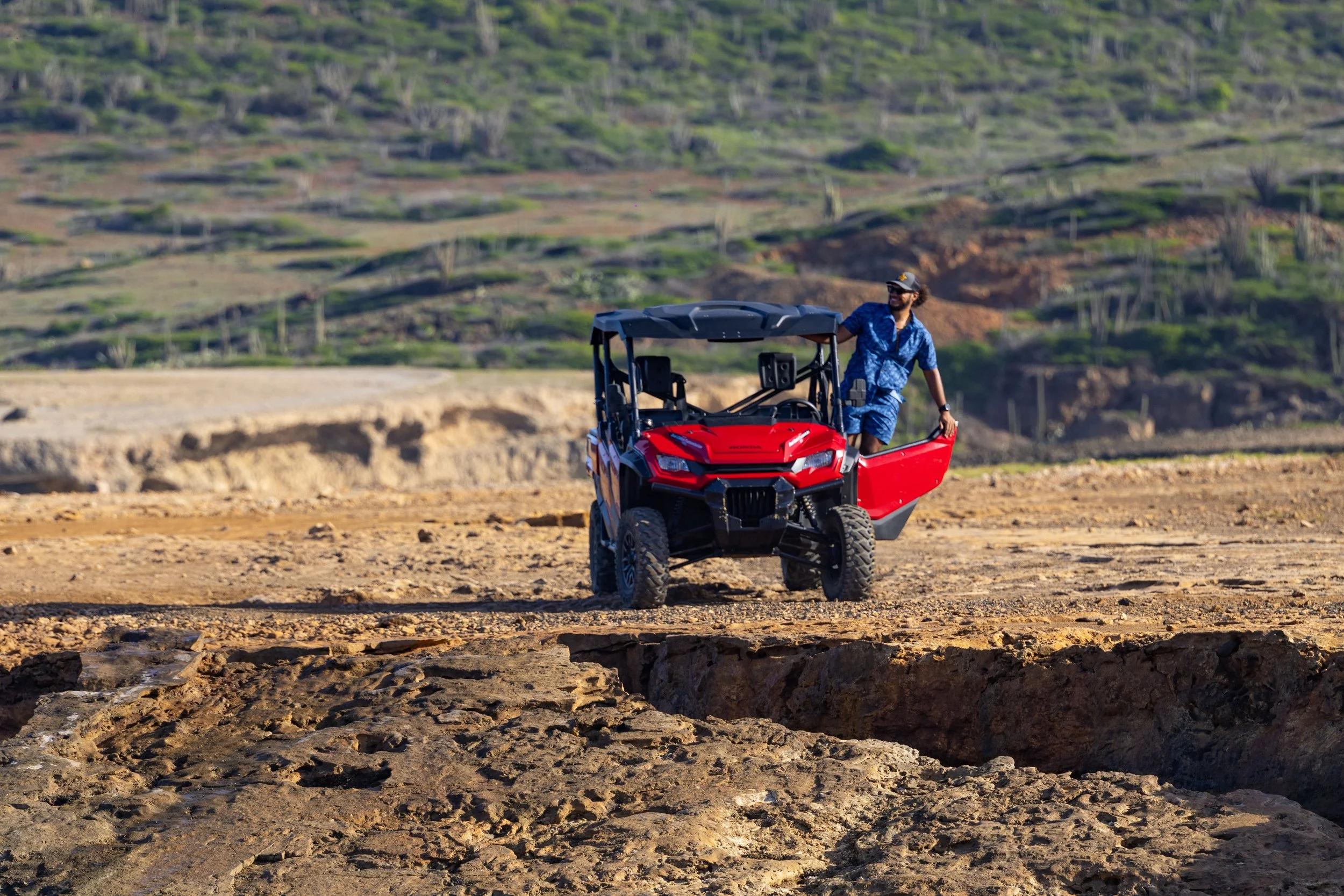
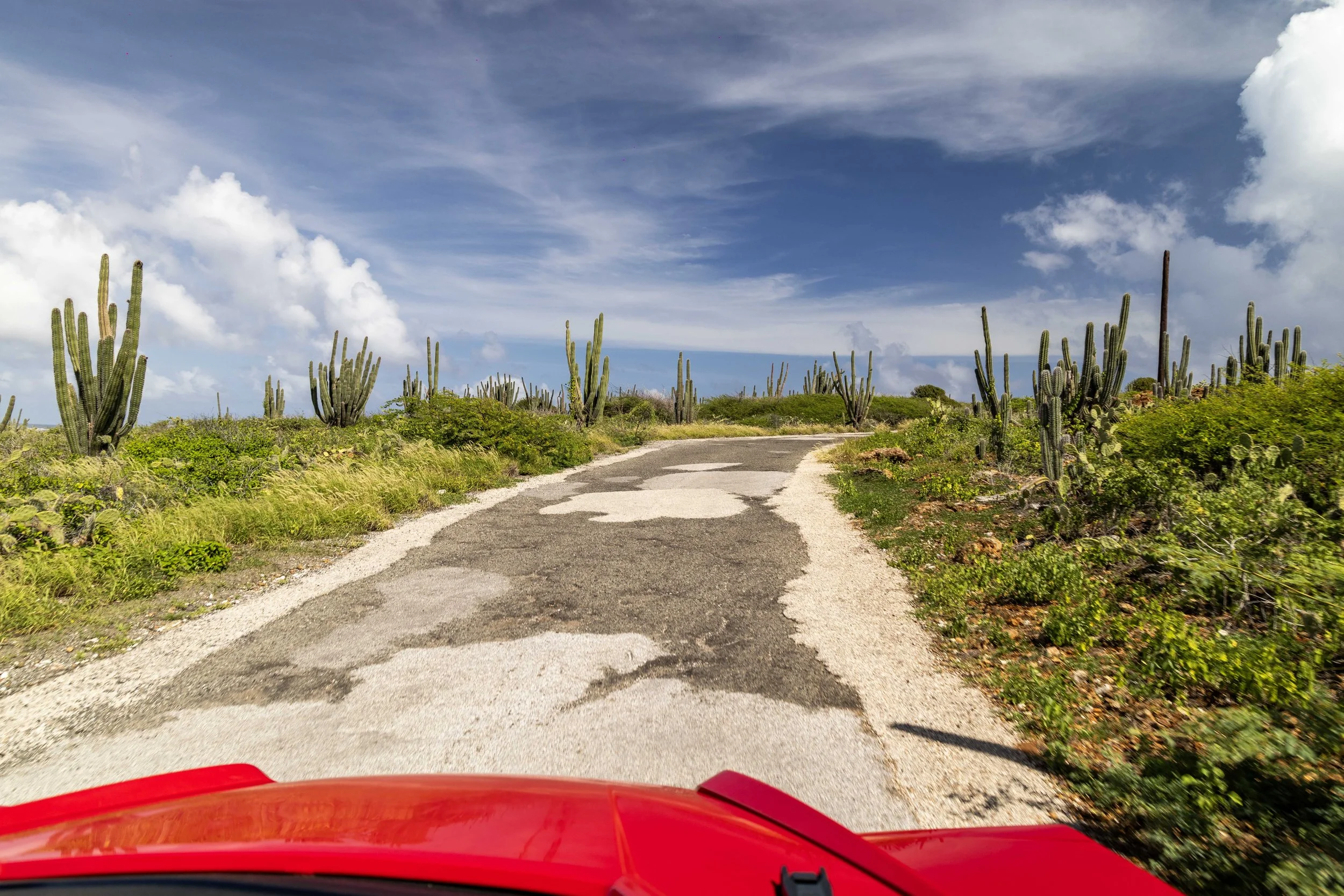
Once it clicked that Aruba offered far more than beaches, I pitched the idea of a family adventure day. That led me to Jean’s Aruba Rental, where I rented a Honda six seater UTV for the day. From the first interaction, the experience stood out. Communication was quick, the process was smooth, and Jean was hands on every step of the way. He did not just run the business. He was actively involved in it. In fact, after a full day of exploring, he personally drove our family back to the hotel, which speaks volumes about the level of care behind the experience.
Exploring Aruba by UTV completely reframed how I understood the island. The hotel zone represents only a small slice of what Aruba has to offer. Once you head north and east, the landscape changes dramatically. Smooth beaches give way to rugged coastlines, rocky cliffs, desert like terrain, and wide open views of the Caribbean crashing against the shore. These areas feel raw, quiet, and untouched compared to the energy of the resort areas.
A UTV makes it possible to reach places that standard rental cars simply are not built for. You can follow dirt roads along the coast, stop at scenic overlooks without a crowd, and explore landmarks at your own pace rather than on a fixed tour schedule. It gives you the flexibility to linger when a view catches your attention or move on when you are ready, which made the day feel more like a true exploration than a guided excursion.
Some of the most memorable parts of the island live outside the hotel zone. Natural rock formations, historic ruins, remote beaches, and dramatic viewpoints are scattered across the island, often just minutes apart. What surprised me most was how accessible all of this felt. Aruba may look small on a map, but the variety packed into that space is impressive, and the UTV allowed us to experience it all in a single day.
More than anything, the UTV gave us freedom. Freedom to explore, to stop where we wanted, and to see a side of Aruba that many visitors never do. It turned one day into one of the most memorable parts of the entire trip and fundamentally changed how I would recommend experiencing the island to anyone visiting for the first time.
Our Route to Beat the Crowds
We intentionally ran our route opposite of most guided tours and regularly arrived as buses were leaving.
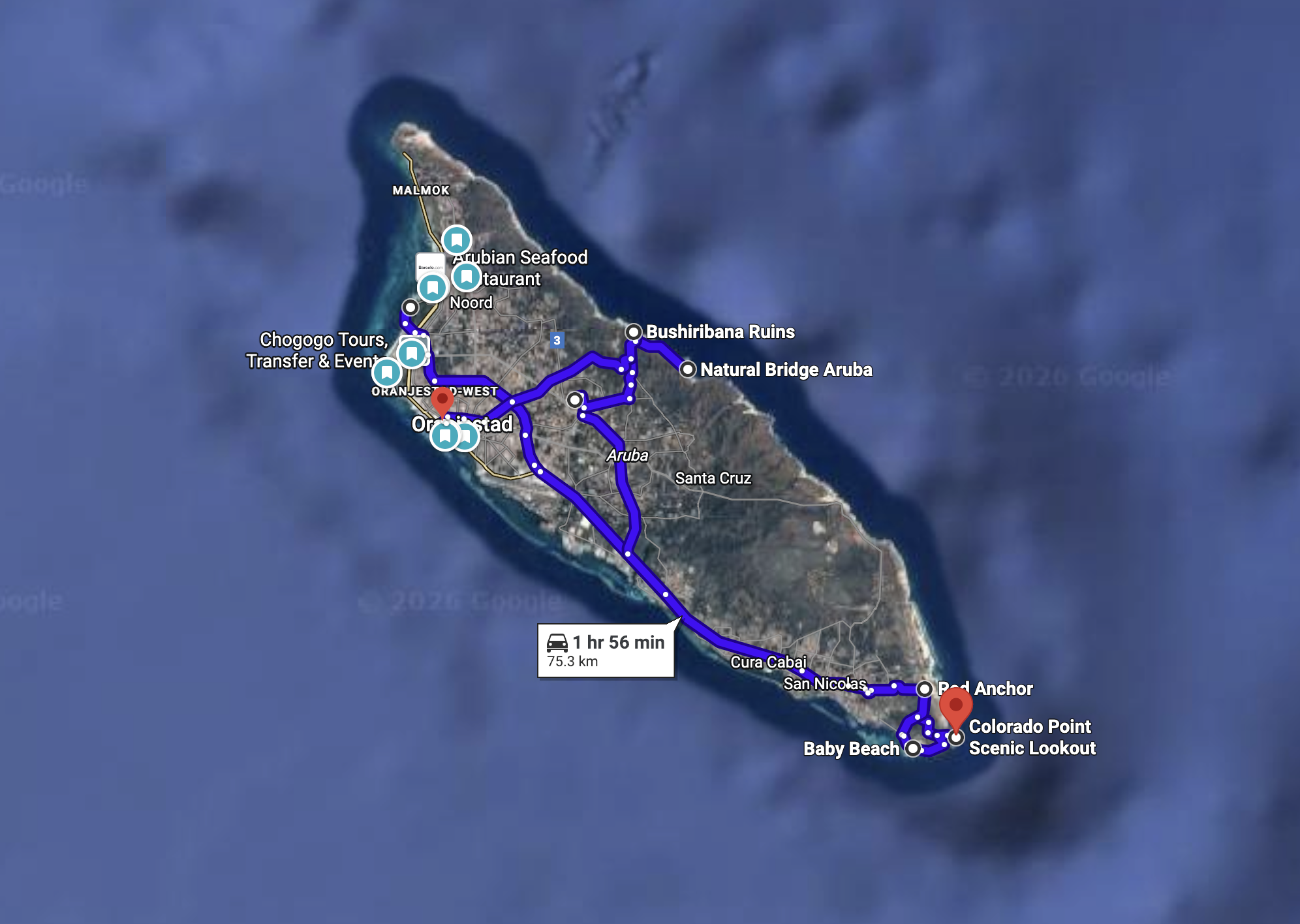
Red Anchor
A quick photo stop and classic Aruba landmark
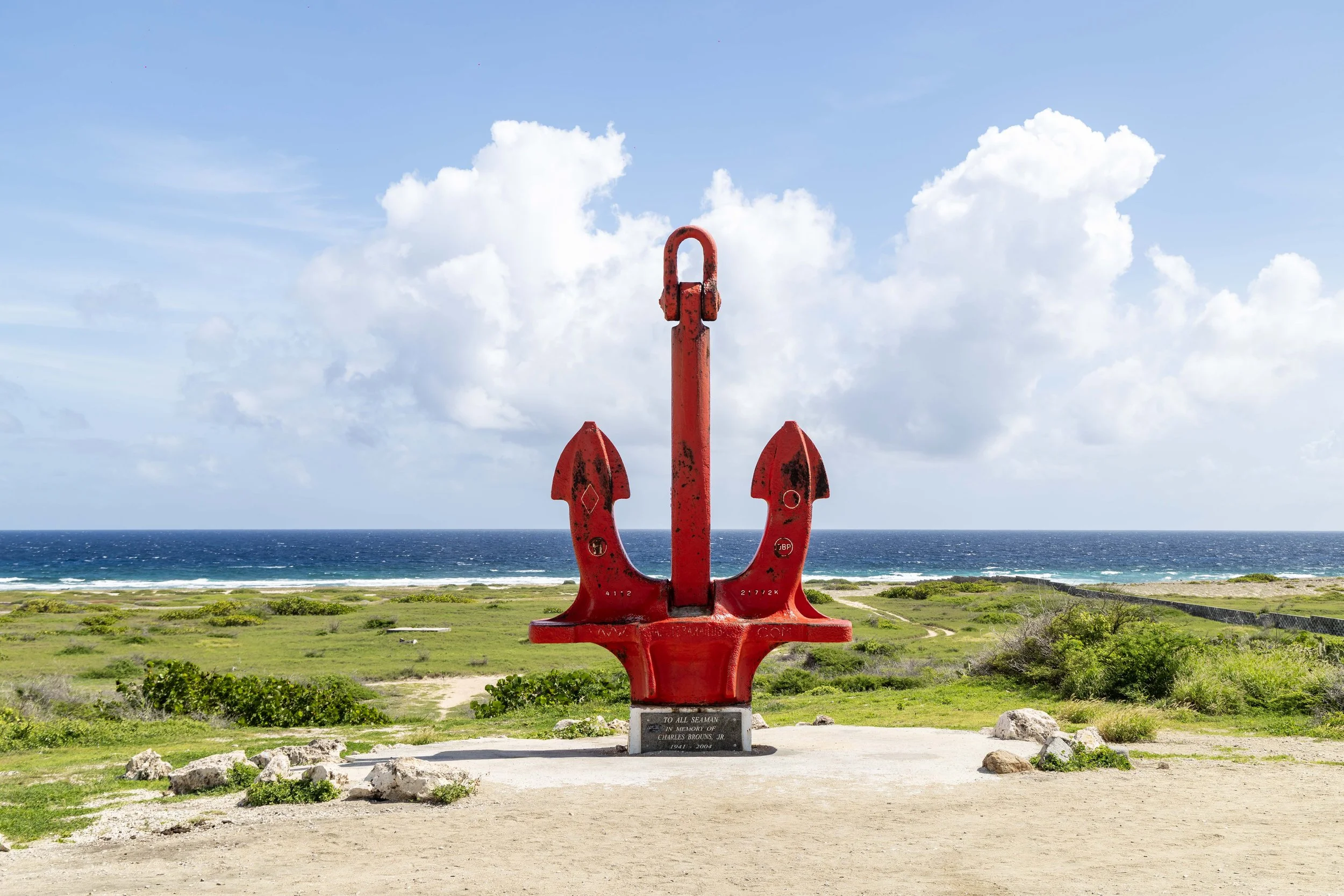
A view of the infamous red anchor in Aruba
Colorado Point Scenic Lookout
Incredible views, short hikes and mountain goats (literally couldn’t believe this)

Baby Beach
This was our favorite beach. The water is Calm, shallow, warm and safe. The name is accurate.
Casibari Rock Formations
A hit with the kids and surprisingly fun to climb. Offered amazing panoramic views of the Island.

Natural Bridge area
Rugged coastline that feels worlds away from the resorts. To reach this area you drive down a dirt road and the location is near Arikok National Park.
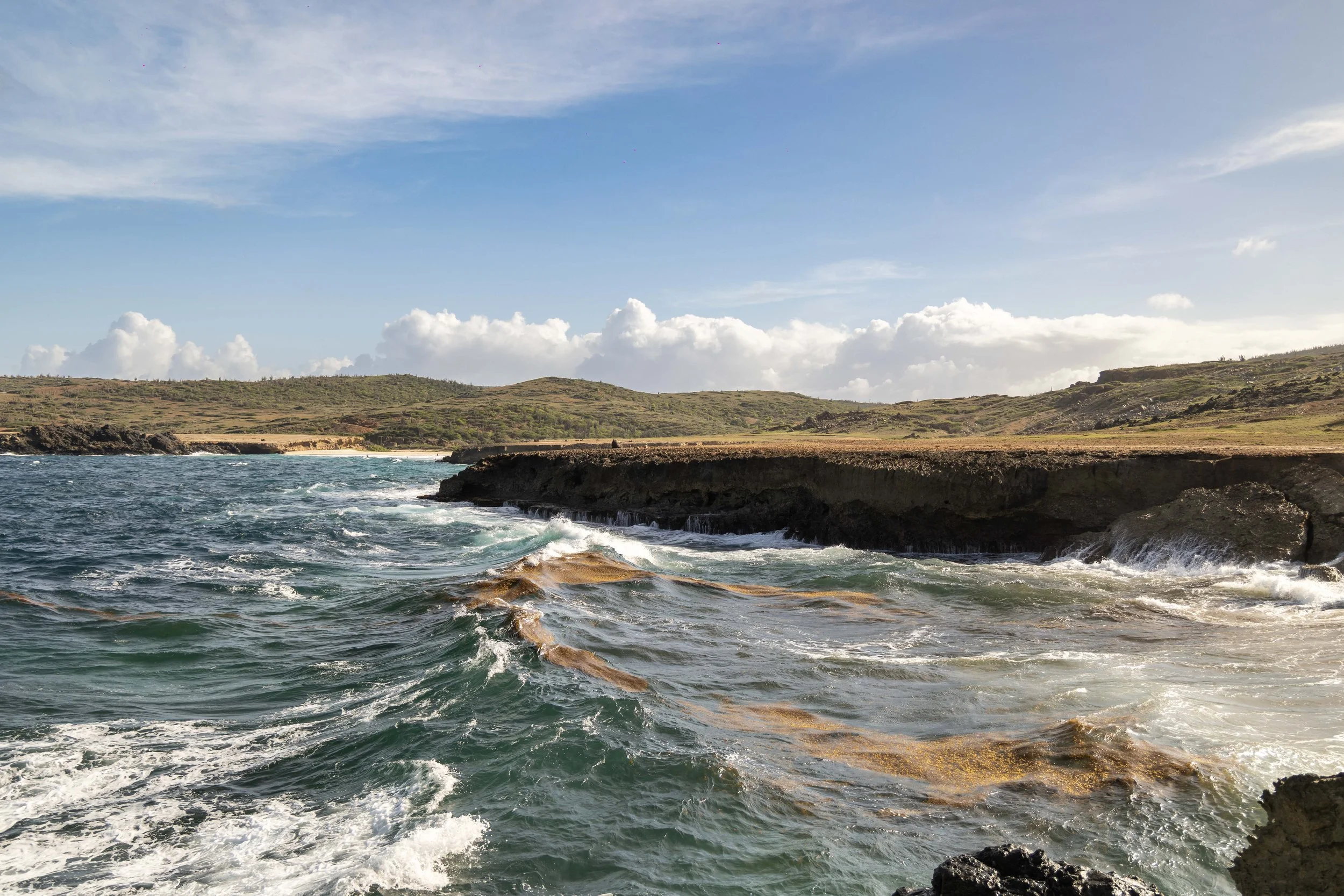
Bushiribana Gold Mill Ruins
Windy, historic, and full of character
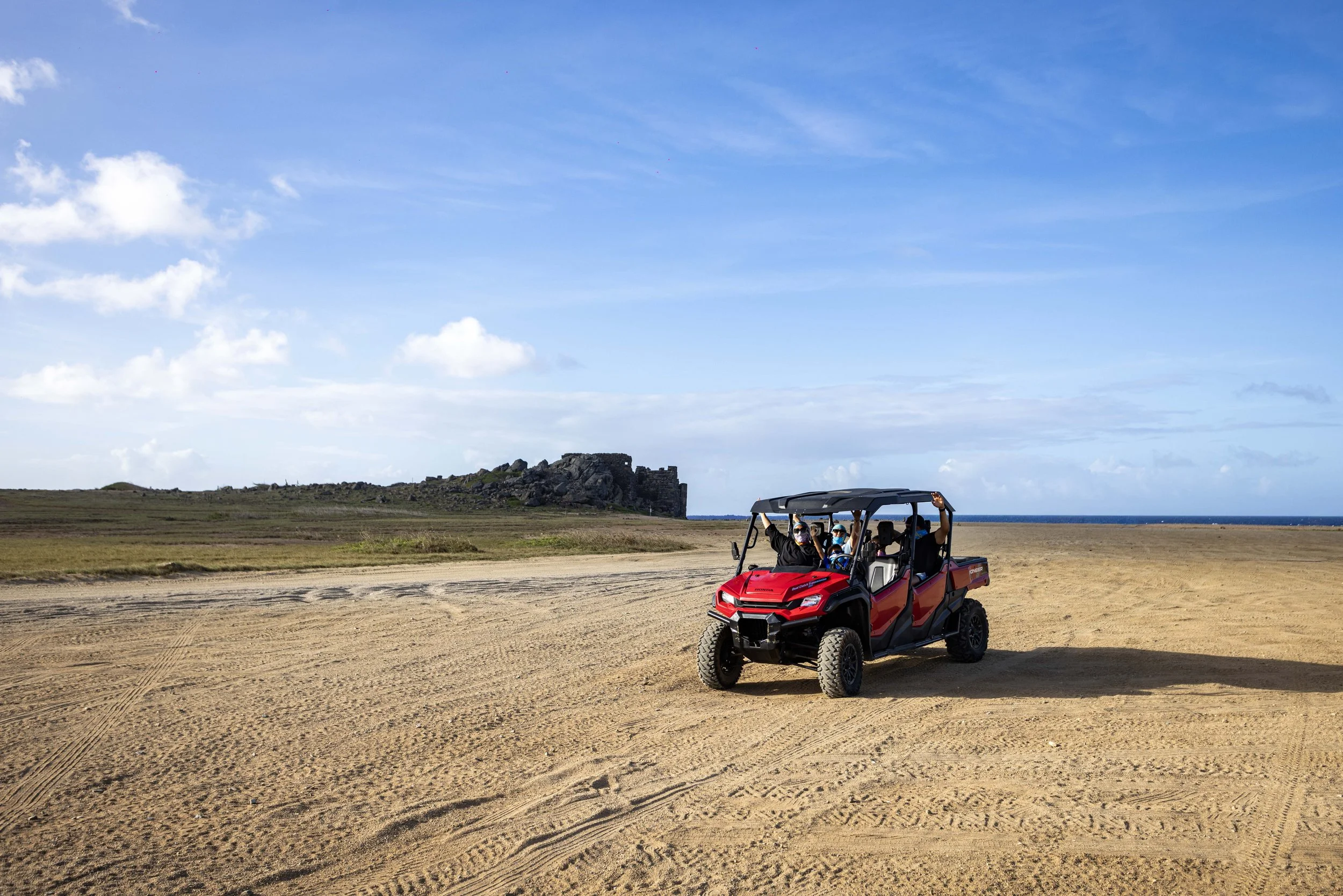
Each stop revealed a different side of the island.
Places Still on My List
Zeerover - a casual, oceanfront seafood spot in Savaneta, Aruba’s first capital, known for serving some of the freshest fish on the island. This local favorite sits directly on a fishing pier, where the daily catch is cleaned and cooked in front of you, then served simply in finger food style at local prices.
The menu is intentionally minimal, usually featuring one or two fresh catches with local sides, but the experience is what makes it special. Locals and visitors gather here to eat, drink, and relax while taking in open ocean views. It is laid back, authentic, and one of the best places on the island to experience Aruba beyond the resort scene.
Arikok National Park - This park covers a large portion of Aruba’s interior and offers a completely different side of the island than what you see along the resort beaches. The park is defined by desert like landscapes, rugged trails, volcanic rock formations, caves with ancient drawings, and sweeping coastal views that feel untouched and remote.
Exploring Arikok requires some planning, whether on foot or by Jeep tour, but the reward is worth it. It is one of the best places on the island to experience Aruba’s raw natural beauty and understand how diverse the landscape truly is beyond the hotel zone.
Final Thoughts
Aruba exceeded my expectations in ways I did not anticipate. What started as a last minute trip quickly became one of those experiences that sticks with you long after you return home. The island has an ease to it. It is approachable, welcoming, and effortless to enjoy, yet it also rewards those who are willing to look a little deeper and step outside of what is familiar.
Spending time beyond the hotel zone completely changed how I experienced Aruba. The beaches were beautiful, the resorts were comfortable, and the sunsets were unforgettable, but it was the moments of exploration that left the strongest impression. Driving across rugged terrain, standing at windswept viewpoints, and seeing how quickly the island shifts from polished to raw created a deeper connection to the place itself. It made Aruba feel less like a vacation backdrop and more like a living, breathing destination.
What stood out most was how well Aruba balanced adventure and accessibility. Traveling with multiple generations could have limited what we were able to do, but instead it enhanced the experience. Everyone found something they loved. Whether it was a calm beach day, a spontaneous happy hour, or a full day of off road exploration, the island met us where we were and gave us space to move at our own pace.
If you are planning a trip to Aruba, my biggest recommendation is to give yourself permission to explore. Spend time at the beach, enjoy the comfort of the resorts, but carve out at least one day to see what exists beyond them. Rent a Car or UTV, drive the island, stop often, and let curiosity guide you. Aruba has a way of surprising you when you do.
For me, this trip became more than a holiday getaway. It was a reminder that some of the most meaningful travel experiences come when plans shift, expectations are challenged, and you allow yourself to truly engage with a place. Aruba did exactly that, and it is a destination I would return to without hesitation.
